

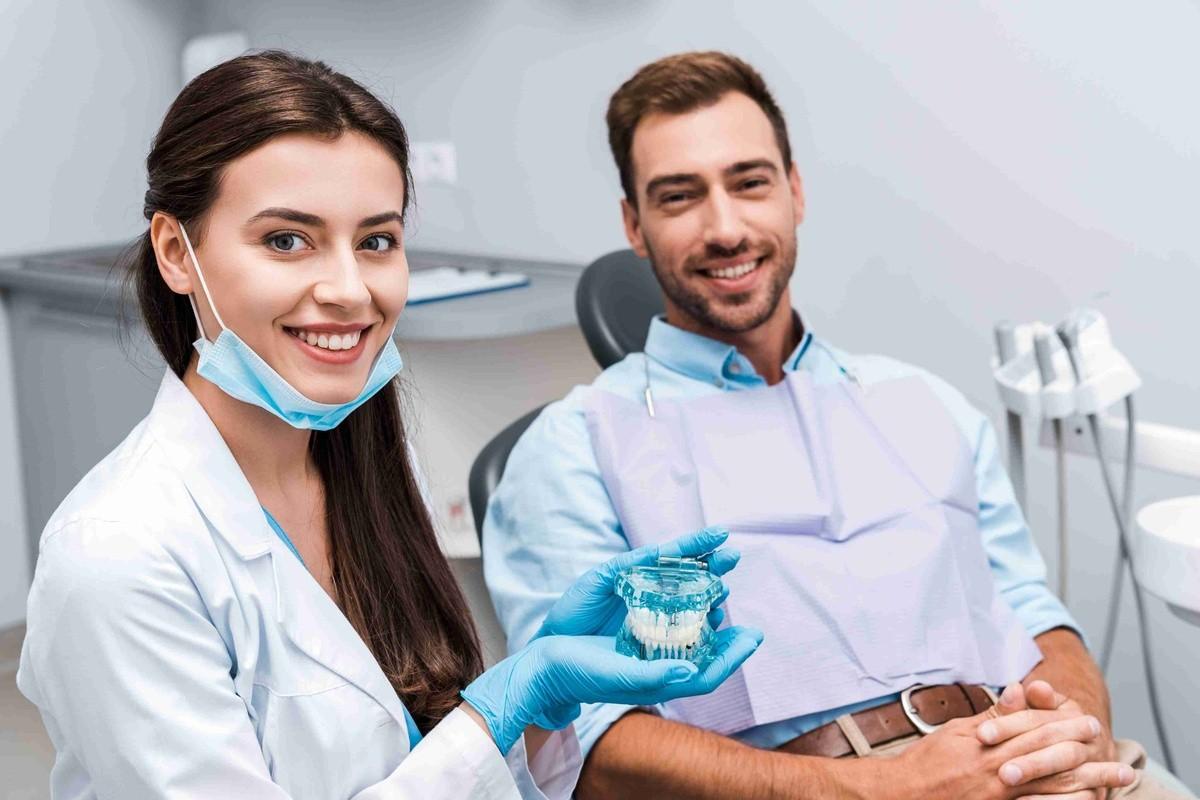
An orthodontist in Stonebriar, TX may evaluate tooth position, bite relationship, jaw growth, spacing, crowding, oral hygiene, gum health, facial balance, age, and treatment goals before recommending Invisalign, braces, retainers, or other orthodontic care. Patients near Stonebriar may need more than a quick look at crooked teeth. A full orthodontic consultation helps explain what needs movement, why the bite matters, and which treatment option may be suitable.
Orthodontic care should begin with a clear diagnosis. A smile may look crowded, but the bigger issue may be the bite. Teeth may appear spaced, but the cause could involve tooth size, jaw shape, or past shifting. Near Stonebriar, TX, patients often want to know whether Invisalign or braces will work, but the first question is what the teeth and bite actually need.
An orthodontist in Stonebriar, TX may check tooth alignment, jaw relationship, bite contacts, spacing, crowding, growth stage, oral hygiene, and treatment goals before recommending a plan. The right appliance should come after the evaluation, not before it is correct. Invisalign, braces, elastics, retainers, or monitoring may fit different situations. A complete consultation helps patients understand the reason behind the recommendation.
The First Step Is Understanding Tooth Position
Tooth position includes more than whether teeth look straight from the front. The orthodontist may check rotations, tipping, crowding, spacing, tooth height, and how teeth line up in each arch.
A tooth that looks only slightly turned may need more complex movement. A gap may be caused by tooth size, missing teeth, habit patterns, or jaw spacing.
Understanding tooth position helps determine whether treatment should use aligners, braces, or another method.
The Bite Tells a Bigger Story
The bite shows how upper and lower teeth meet. A patient may have an overbite, underbite, crossbite, open bite, deep bite, or uneven contacts.
Bite concerns can affect chewing, tooth wear, jaw comfort, speech, and long-term stability. Some patients do not notice a bite issue because they have adapted to it over time.
A proper orthodontic review includes both alignment and bite. Straight teeth that do not fit together well may still need correction.
Jaw Growth Matters for Younger Patients
Children and teens may still be growing. Jaw development, tooth eruption, and timing of permanent teeth can influence treatment recommendations.
Not every child need early orthodontic treatment. Some may only need monitoring. Others may benefit from timely care for crossbite, crowding, habits, or jaw relationship concerns.
The orthodontist may use growth stage and dental development to decide whether to treat now, wait, or recheck later.
Adults Need a Different Kind of Review
Adult orthodontic patients may have past dental work, gum recession, worn teeth, missing teeth, crowns, implants, or previous orthodontic relapse.
The orthodontist must consider these factors before recommending treatment. Teeth can still move in adults, but oral health and support structures matter.
At Wincrest Orthodontics, adult orthodontic planning may include reviewing bite wear, gum health, previous dental care, and long-term retention needs before selecting an appliance.
Invisalign May Fit Some Orthodontic Needs
Invisalign Plano, TX may be discussed for suitable patients who want removable clear aligners. Aligners can be helpful for selected crowding, spacing, rotations, or bite concerns.
They require consistent wear, careful cleaning, and responsibility. If trays are left out too often, tooth movement may slow or stop tracking properly.
Invisalign works best when the movement needed can be guided predictably with aligners, and the patient can follow instructions.
Braces May Offer More Continuous Control
braces Plano, TX may be recommended when teeth need fixed, steady movement. Brackets and wires stay attached to the teeth and continue working throughout the day.
Braces may be helpful for more complex tooth movement, certain bite concerns, or patients who may not wear removable aligners consistently. They still require good cleaning, food care, and adjustment visits.
The decision between braces and Invisalign should be based on diagnosis, not only appearance.
Oral Hygiene Can Affect Treatment Timing
Orthodontic appliances create new cleaning challenges. Braces can trap plaque around brackets. Aligners can hold plaque against teeth if worn over unclean surfaces.
Before treatment begins, the orthodontist may check out brushing, flossing, gum inflammation, cavities, and plaque buildup. If oral hygiene needs improvement, treatment may need to wait or be planned carefully.
Healthy teeth and gums create a better foundation for tooth movement.
Spacing and Crowding Need Different Planning
Crowding happens when teeth do not have enough room. Spacing happens when there is extra room or when teeth are smaller relative to the jaw. Both can affect appearance and function.
Crowding may make cleaning harder. Spacing may lead to food trapping or biting issues. The orthodontist may need to decide whether space should be created, closed, or distributed differently.
Treatment depends on tooth size, jaw size, bite, and facial balance.
Habits and History Can Shape the Recommendation
Thumb-sucking history, tongue posture, mouth breathing, previous extractions, missing teeth, past orthodontic treatment, or long-term retainer loss can all affect orthodontic planning.
A patient who had braces years ago may now have shifted. Another may have bite changes related to growth or missing teeth. A teen may still be developing.
These details help the orthodontist understand why the teeth are positioned in the way they are.
Records Help Build the Plan
An orthodontic consultation may include photos, X-rays, scans, or impressions. These records help show tooth roots, jaw relationships, unerupted teeth, spacing, and bite details.
Records are especially useful when comparing Invisalign and braces. They help the orthodontist plan movement and explain limitations.
Patients should ask what the records show and how they affect the recommendation.
What an Orthodontic Consultation May Include
A visit may include:
- Smile and facial review
- Tooth alignment check
- Bite evaluation
- Crowding and spacing assessment
- Jaw growth review for younger patients
- Gum and oral hygiene check
- Discussion of treatment goals
- Invisalign comparison
- Braces comparison
- Retainer discussion
- Treatment timing guidance
- Review of records when needed
- The exact visit depends on age, symptoms, orthodontic concerns, and dental history.
Before, During, and After the Visit
Before the appointment, patients should think about what concerns them most. Is it crowding, spacing, bite discomfort, shifting, smile appearance, or past orthodontic relapse?
During the visit, the orthodontist may examine the teeth, bite, jaw relationships, and oral hygiene. Records may be recommended to build a complete picture.
After the visit, patients should understand whether treatment is needed, which options may fit, and what responsibilities come with each option. This may include aligner wear, braces care, appointments, elastics, or retainers.
Why Treatment Timing Should Be Individual
Some orthodontic concerns are best watched. Others may benefit from earlier care. Adults may start treatment when oral health is stable. Teens may begin when permanent teeth and growth timing support the plan.
There is no single age or appliance that fits everyone. Timing should reflect the diagnosis and patient readiness.
A thoughtful treatment plan should explain why treatment is recommended now or why monitoring may be reasonable.
Retainers Should Be Discussed Early
Retention belongs in the treatment conversation from the start. After Invisalign or braces, teeth can shift without retainers.
Patients should understand that orthodontic treatment has an active phase and a retention phase. The retainer plan may depend on the original problem, growth, bite, and long-term stability.
Knowing this early helps patients see full commitment.
Local Patient Review
“I came in thinking I already knew which treatment I wanted. The consultation helped me understand that my bite and tooth movement needs had to come first.”
The Right Orthodontic Plan Starts with the Diagnosis
Choosing between aligners and braces becomes easier once the teeth, bite, growth, and habits are understood. Stonebriar patients can visit Wincrest Orthodontics for an orthodontic evaluation and clear guidance on treatment options.
Frequently Asked Questions
What does an orthodontist Stonebriar, TX check first?
An orthodontist may check tooth position, bite, jaw relationship, crowding, spacing, oral hygiene, growth, and treatment goals.
Can I choose Invisalign instead of braces?
Sometimes. Invisalign may fit selected cases, but braces may be better when movement or bite correction needs fixed control.
Are braces only for teens?
No. Children, teens, and adults may all be candidates depending on oral health, growth stage, bite, and treatment goals.
Why does the bite matter in orthodontics?
The bite affects chewing, tooth wear, jaw comfort, and stability. Straight teeth should also fit together properly.
Do I need X-rays for orthodontic treatment?
Records such as X-rays or scans may be recommended to review roots, jaw relationships, unerupted teeth, and treatment planning needs.
Can orthodontics help teeth shift after braces?
Yes, many patients seek care for relapse. The orthodontist can review whether Invisalign, braces, or retainers may help.
What if my child still has baby teeth?
The orthodontist may monitor growth and eruption or recommend early care if a specific bite or spacing concern is present.
Will I need retainers after treatment?
Yes, retainers are commonly recommended after Invisalign or braces to help reduce shifting.