

Digital scanning and 3D printing can make orthodontic treatment more precise by replacing putty impressions with a detailed digital model and by turning that model into matching printed models and appliances. Accuracy still depends on the equipment, the planning and how the tools are used.
Both tools are now common in planning for braces and clear aligners at many orthodontic offices. Knowing what each step does helps explain what happens at a first visit, how treatment is planned and what the technology can and cannot change.
Scanning Replaces Putty Impressions
A digital scan uses a small handheld wand that captures many images of the teeth and gums. Software joins them into a 3D model on a screen, so no tray of putty is placed in the mouth.
Many people find a scan more comfortable than putty, especially those who gag easily. The model also appears on the screen right away, so it can be reviewed and discussed during the same visit.
From Scan to Printed Model
The path from scan to appliance follows a set order, though not every treatment uses every step, and the number of visits depends on the plan.
- The scan is checked for gaps and saved as a digital model.
- The orthodontist reviews the model and plans tooth movement for braces or clear aligners such as Invisalign.
- A 3D printer builds a physical model or appliance from the digital file, layer by layer, when the plan calls for one.
- Progress is checked at later visits, and a new scan can be compared with the first.
A Digital Model for Choosing Between Braces and Aligners
A digital model can be used to explain how teeth might move with either braces or clear aligners such as Invisalign. Seeing the plan on a screen can make the differences between the two easier to discuss.
The choice still rests on the case, the goals for treatment and the person’s preferences, and the orthodontist guides that decision with the patient.
Benefits and Limits to Keep in Mind
These tools support the plan, but the orthodontist’s judgment still shapes treatment.
- A scan avoids the gag reflex some people have with putty.
- A model on screen lets patients see detail while the plan is explained.
- Printing in the office can keep model and appliance steps in one place.
- Scanners and printers vary, so results depend on the equipment and how it is used.
- Traditional impressions remain an option when the orthodontist judges they suit a case.
These points can be raised at a consultation, where the orthodontist explains which tools suit the case and how they would be used.
Digital Orthodontics in Plano
At Wincrest Orthodontics in Plano, TX, we offer Invisalign clear aligners and Damon braces as treatment options. Dr. Benjamin Winters leads our team, and we serve patients in Plano and the surrounding Dallas-Fort Worth communities.
We use digital 3D scanning with on-site 3D printing in place of traditional impressions. Patients can ask which parts of the process are done in our office, how scanning and printing would apply to a specific treatment plan, and how each visit would run.
Planning a First Orthodontic Visit in Plano, TX
Digital scanning and 3D printing give treatment planning a detailed starting point, but the plan still depends on the individual case. Patients in Plano are welcome to ask our team at Wincrest Orthodontics how each step applies to braces or aligners in their plan.
Frequently Asked Questions
Can a digital scan be used for both braces and clear aligners?
Yes. A scan produces a digital model of the teeth that can guide planning for either treatment. What happens after planning differs, since braces and aligners are made and adjusted in different ways.
What can a 3D printer make in orthodontics?
A printer can produce physical models of the teeth, and models can be used to make appliances such as clear aligners and retainers. Which items are printed depends on the treatment plan and the practice.
Do digital scans replace X-rays?
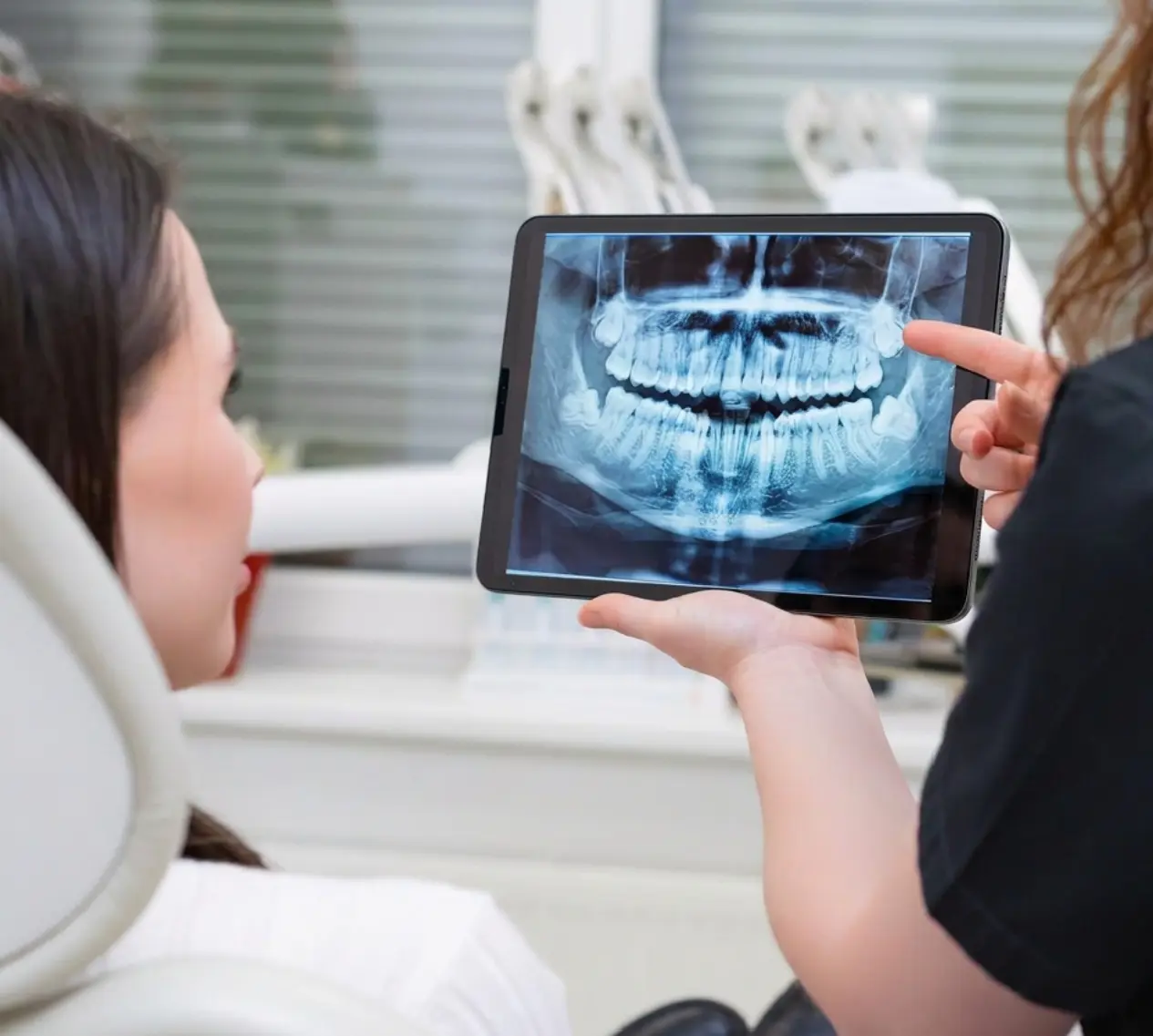
No. A scan captures the surfaces of the teeth and gums but not the roots or bone beneath them, so X-rays or other imaging may still be used where we need that information to plan treatment.
Is a digital scan suitable for children and teens?
Scanning is used with young patients, and the wand is small. Whether it suits a particular child depends on how well they tolerate it, which we can judge at the visit.
Does a digital scan replace a first orthodontic consultation?
No. The scan is one part of a consultation, which also covers the patient’s goals and how treatment would apply to their teeth. We use the model on screen to explain the plan and what each visit would involve.